

Cost of Living in Singapore: Singapore is renowned for its thriving economy, modern infrastructure, and exceptional quality of life. However, living in this global financial hub comes with a significant price tag. Whether you’re moving for work, study, or personal reasons, understanding the cost of living is crucial for effective financial planning.
This comprehensive guide breaks down the key expenses-housing, food, transportation, healthcare, and lifestyle—to help you budget wisely.
1. Housing: The Biggest Factor Affecting the Cost of Living in Singapore
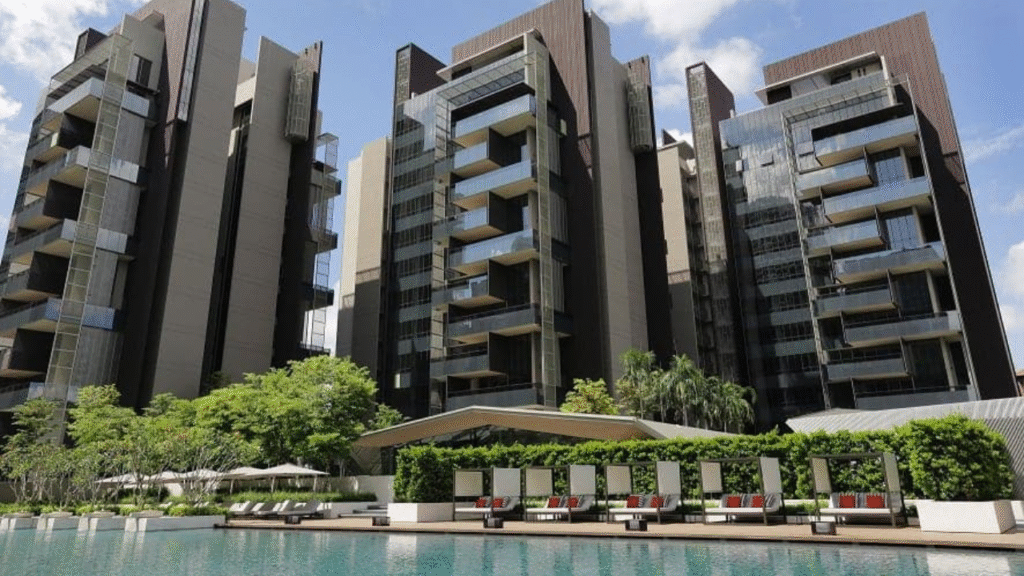
Housing will likely be your largest monthly expense in Singapore. The city offers a range of options, from government-subsidised flats to luxury condominiums, with prices varying widely based on location and type.
Renting vs. Buying
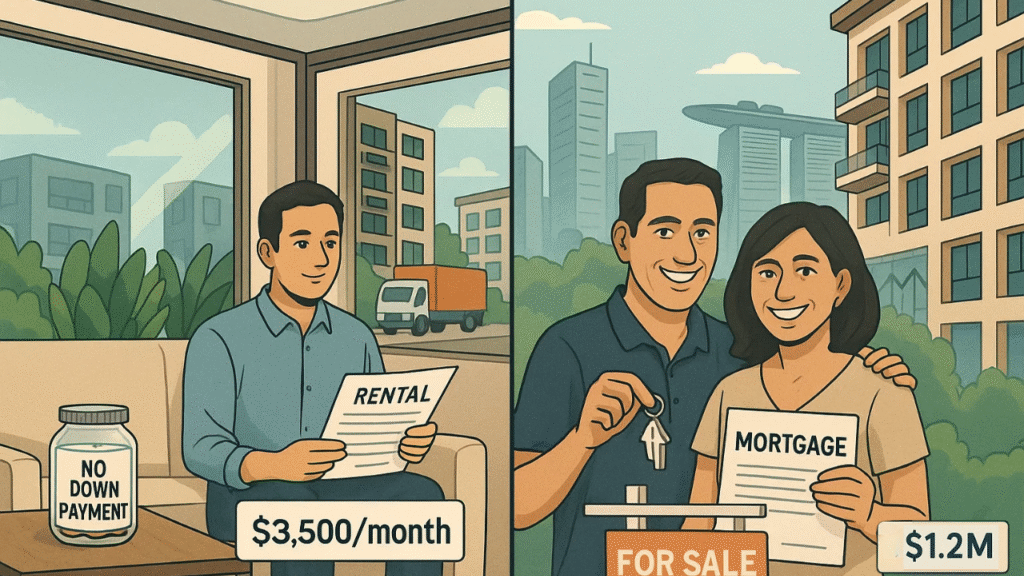
- HDB Flats (Public Housing):
- Primarily for Singaporeans and Permanent Residents (PRs).
- Expats can rent HDB rooms (S$800–S$2,500/month).
- Condominiums:
- Popular among expats, offering amenities like pools and gyms.
- Rents range from S$2,500–S$6,000/month, depending on location.
- Landed Properties:
- Luxury homes, mainly in areas like Sentosa or Bukit Timah.
- Rents start from S$8,000/month.
Neighbourhood Price Differences
- Affordable Areas: Jurong, Woodlands, Tampines.
- Mid-Range Areas: Bishan, Serangoon, East Coast.
- High-End Areas: Orchard, Marina Bay, Holland Village.
Additional Costs
- Maintenance fees (for condos).
- Utilities (electricity, water, internet): S$150–S$300/month.
- Agent fees: Typically one month’s rent for a one-year lease.
2. Food & Groceries: Affordable Hawkers to Fine Dining

Singapore is a food lover’s paradise, offering everything from budget-friendly street food to high-end restaurants.
Eating Out
- Hawker Centers: Meals cost S$3–S$8.
- Mid-Range Restaurants: S$20–S$50 per person.
- Fine Dining: S$100+ per person at upscale establishments.
Grocery Shopping
- Supermarkets (FairPrice, Cold Storage): S$200–S$400/month for essentials.
- Wet Markets: Cheaper for fresh produce, meat, and seafood.
Dining Culture
Many Singaporeans eat out daily due to convenience. If you mostly eat at hawker centres, budget around S$15–S$30 per day.
3. Transportation: Efficient but Can Be Expensive
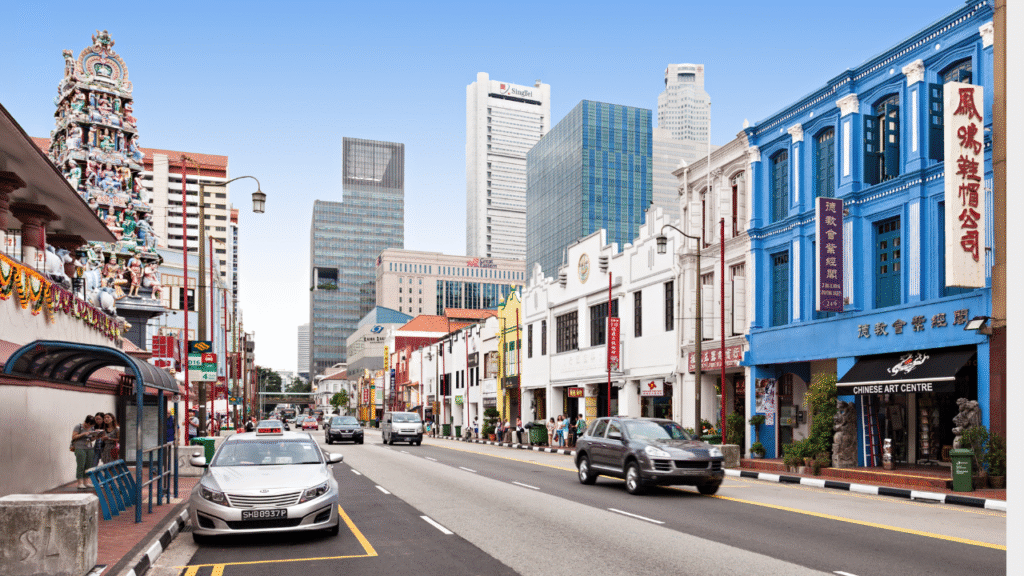
Singapore’s public transport system is world-class, but costs depend on your mode of travel.
Public Transport (MRT & Buses)
- Single Trip: S$0.92–S$2.50.
- Monthly Pass: S$90–S$120 for unlimited rides.
Owning a Car vs. Ride-Hailing
- Cars are extremely expensive due to COE (Certificate of Entitlement), which can cost S$80,000+.
- Ride-hailing (Grab/Gojek): Short trips cost S$10–S$30.
Cycling & Walking
- Singapore has dedicated cycling paths in some areas.
- Walking is common for short distances.
4. Healthcare: High Quality but Costly Without Insurance
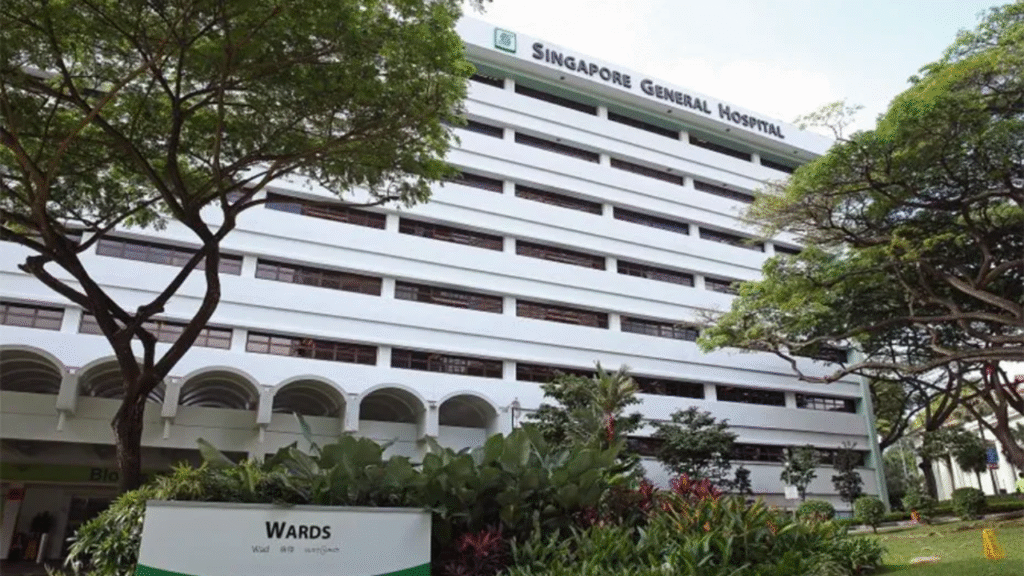
Singapore boasts excellent healthcare, but medical expenses can be steep without insurance.
Public vs. Private Healthcare
- Public (Polyclinics): Subsidized rates; doctor visits from S$30.
- Private Hospitals: Consultations start at S$100+.
Insurance is Essential
- Hospitalisation in private hospitals can exceed S$5,000 per night.
- Expats and locals should secure health insurance.
Common Medical Costs
- GP Visit: S$50–S$100.
- Dental Check-up: S$80–S$150.
- Emergency Care: S$200+.
5. Lifestyle & Entertainment: Balancing Fun and Budget
Beyond necessities, lifestyle choices impact your monthly expenses.

Leisure Activities
- Gym Membership: S$100–S$300/month.
- Cinema Ticket: S$12–S$20.
- Nightclub Entry: S$20–S$50.
Travel & Shopping
- Weekend Getaways: Trips to Bali or Thailand cost S$300–S$800.
- Shopping:
- Orchard Road: Luxury brands.
- Bugis Street: Budget-friendly options.
Is the Cost of Living in Singapore Worth It?
While Singapore is undeniably one of the most expensive cities to live in, its exceptional safety, world-class efficiency, and abundant career opportunities often make the high cost feel justified.
Key Takeaways:
1.Housing is the biggest expense, so it’s important to choose accommodation that aligns with your budget and lifestyle.
2.Food can be affordable if you regularly eat at local hawker centres instead of restaurants.
3.Public transport is clean and efficient, but owning a car can be extremely costly.
4.Healthcare is excellent, though expensive without proper insurance coverage.
5.Lifestyle expenses vary greatly depending on personal spending habits and choices.
Planning a move to Singapore? That sums it up—you’re now informed about the cost of living in Singapore.
Want to save money?
Follow Educasia Overseas for more career insights and professional growth tips!